Buying a second dental office does not automatically give you a working DSO. It can give you twice the problems.
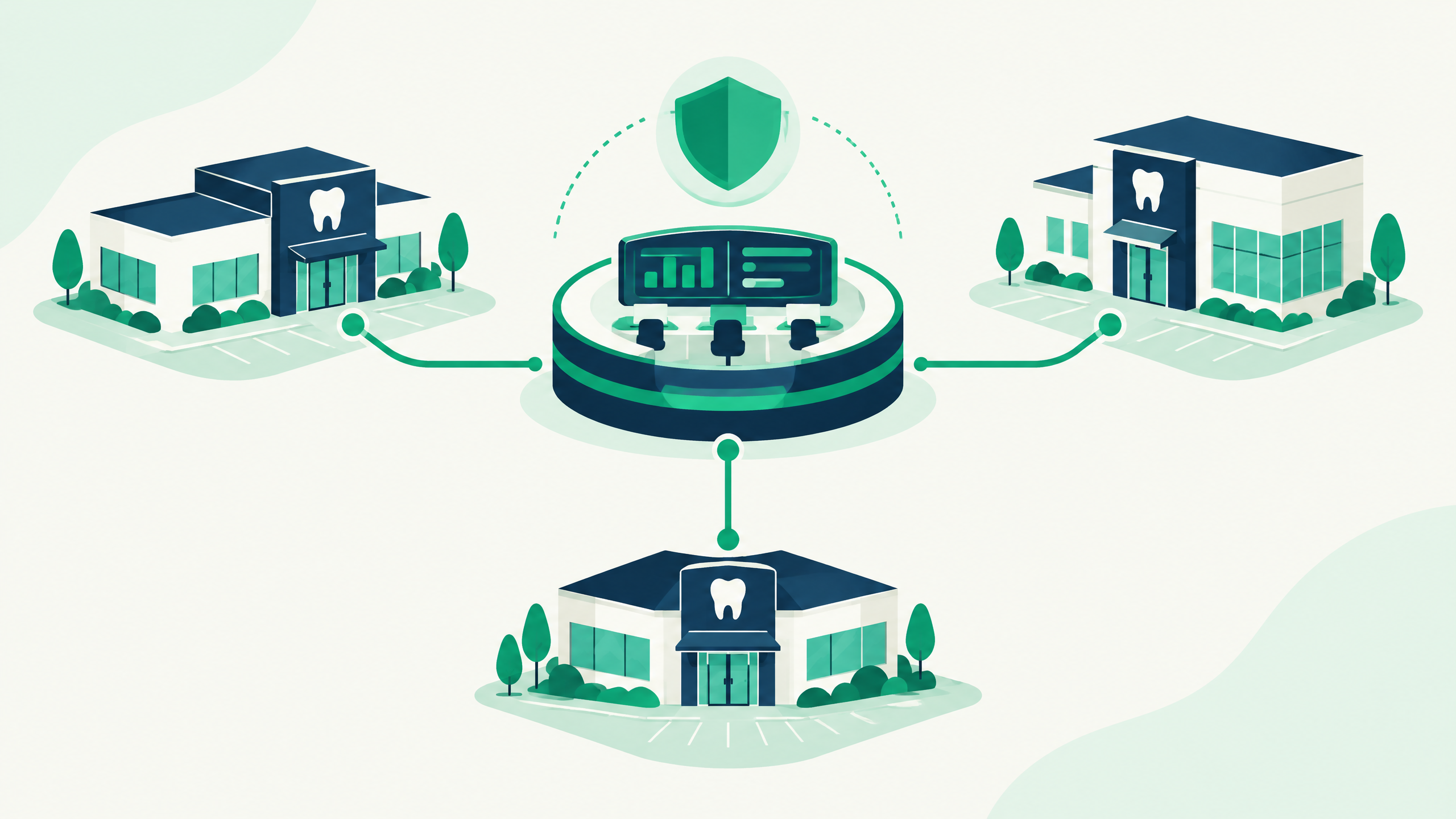
A dental support organization supports nonclinical business functions. The point is to make practices easier to run without taking clinical decisions away from licensed dentists.
Start with the operating model, not a logo and an acquisition target.
Decide what you support
List the functions you will handle centrally: finance, recruiting, procurement, marketing, technology, and RCM. Decide what remains local. Name who owns each handoff.
You do not need to centralize everything immediately. You need a reason for each shared function. If a central team adds cost without reducing local work or improving control, it is overhead, not scale.
Get the legal structure right
There is no universal DSO entity chart. State rules affect professional ownership, clinical control, management agreements, and fee arrangements. Some states restrict percentage-based management fees or fee splitting.
Dental counsel should review the states, entities, contracts, and governance before you sign deals. Someone else's structure may not work for yours. This is a planning guide, not legal advice.
Prove a repeatable operating system
Document scheduling, staffing, financial reporting, verification, claims, posting, and unresolved balances before adding locations.
Use consistent definitions. A collection rate measured differently at every office is not a group metric. Neither is an A/R report with different adjustment rules by location.
Allow clinical and local differences where needed. Standardize business processes that should be comparable. Make information useful to practice teams, not only to investors.
Underwrite the central cost
If a support team costs $20,000 monthly across two offices, its average allocation is $10,000 per office. Across five offices, it becomes $4,000 only if total cost stays unchanged.
That assumption matters. More locations may need more staff and systems. Do not assume the next acquisition makes overhead disappear.
Model clinical compensation, hiring gaps, rent, equipment, working capital, financing, and transition costs. Test a dentist departure or slower collections. An acquisition budget without an operating cash buffer is incomplete.
Build the revenue-cycle backbone early
Each location needs a clear path from eligibility and claims to posting, reconciliation, and unresolved balances. A group can spread a weak process across more offices.
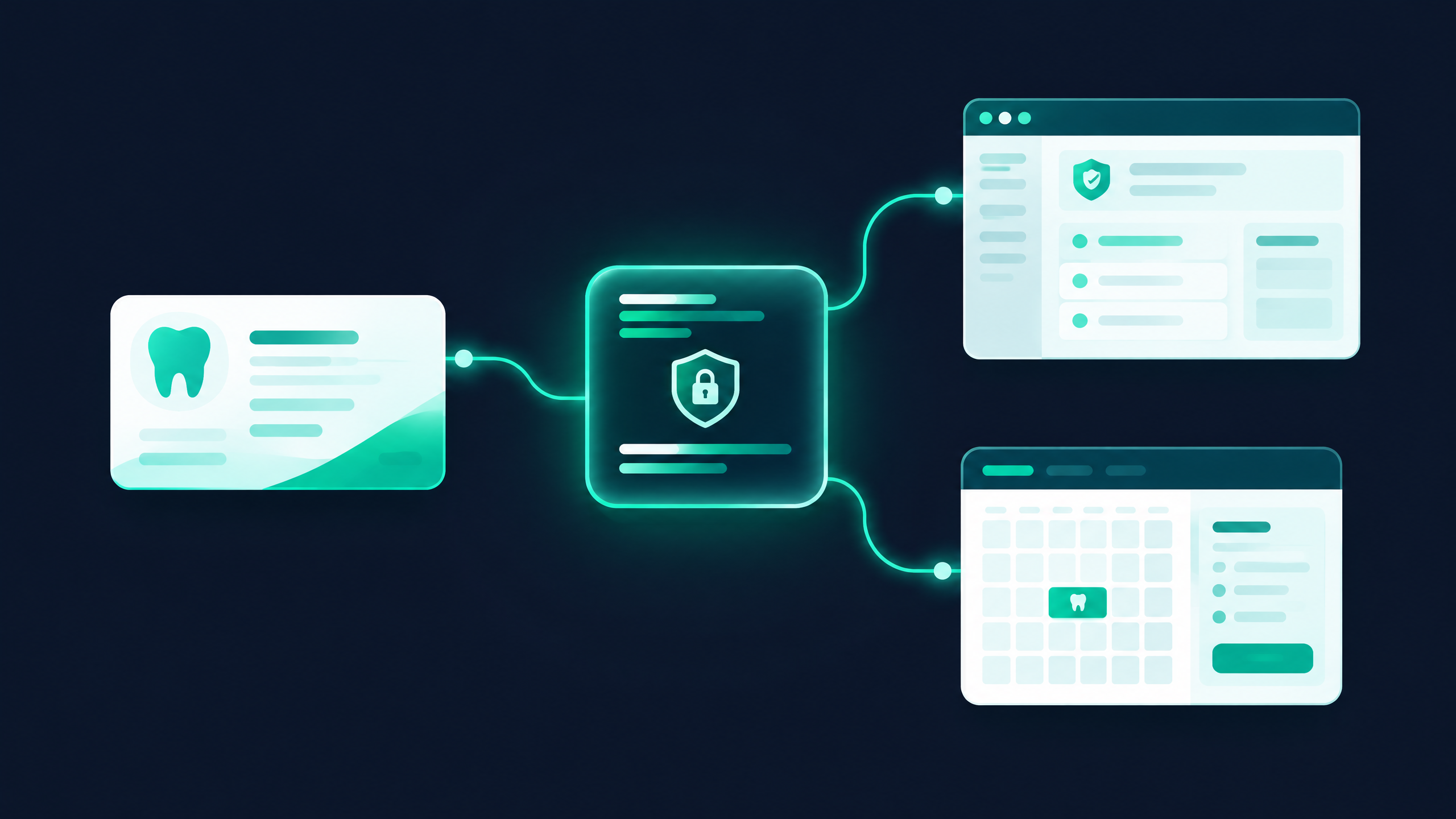
Dentistry Automation's role is that operational layer: AI-driven RCM workflows with human support for exceptions. Confirm actual PMS compatibility, payer coverage, and ownership before rollout. Automation does not remove local accountability.
Start with a measured pilot. Compare accuracy, turnaround, staff workload, and cost. Expand when the process works, not when the demo looks good.
Your first plan should name the market, clinical leadership, advisers, funding, support scope, and operating milestones. Before acquiring another office, ask: will it strengthen the model or hide current problems?
Continue with dental RCM pricing and the underlying revenue-cycle management workflow.
See the workflow
Dentistry Automation runs verification, payment posting, and claims workflows with AI, backed by people for the exceptions. See how it works.
Sources: Bass, Berry & Sims on DSO structure; AGD on DSO considerations; Dentistry Automation RCM materials. This is general information, not legal, tax, or transaction advice.