Your team should not have to log into a different payer portal for every patient. And your software team should not have to build those connections one at a time.
Dentistry Automation is launching DA Verify API, a developer-facing way to bring dental insurance verification into the software practices already use. We are also launching a blog for the people responsible for making dental operations work: practice owners, front-desk teams, RCM leaders and DSOs.
The goal is simple: less manual insurance work, clearer benefits information, and more time for patients.
Bring verification into the workflow
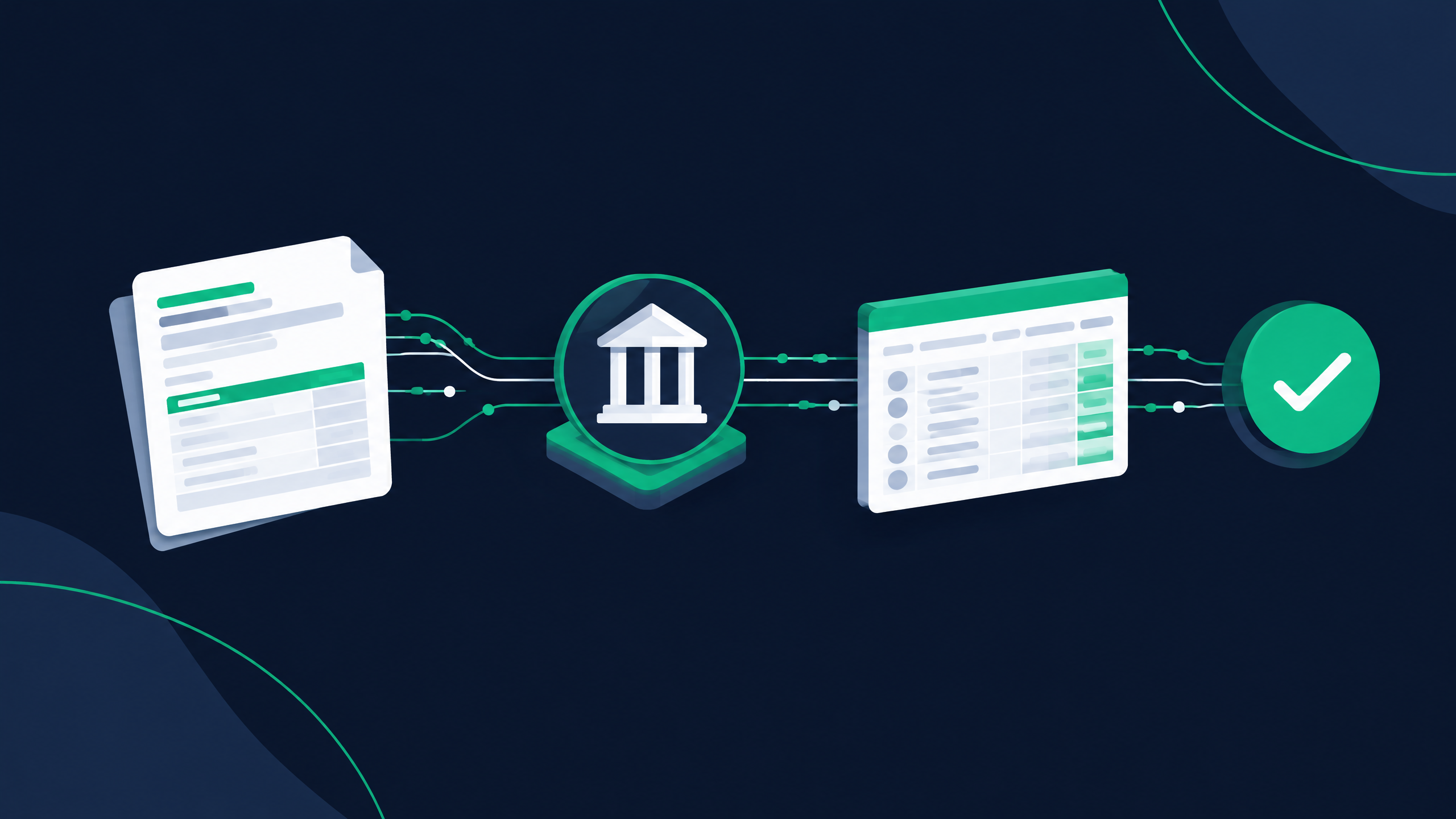
Dentistry Automation's insurance verification automation checks configured payer portals and pulls benefits information such as deductibles, annual maximums, and coverage percentages. DA Verify API is designed to make that verification available through an integration, rather than another screen for your team to manage.
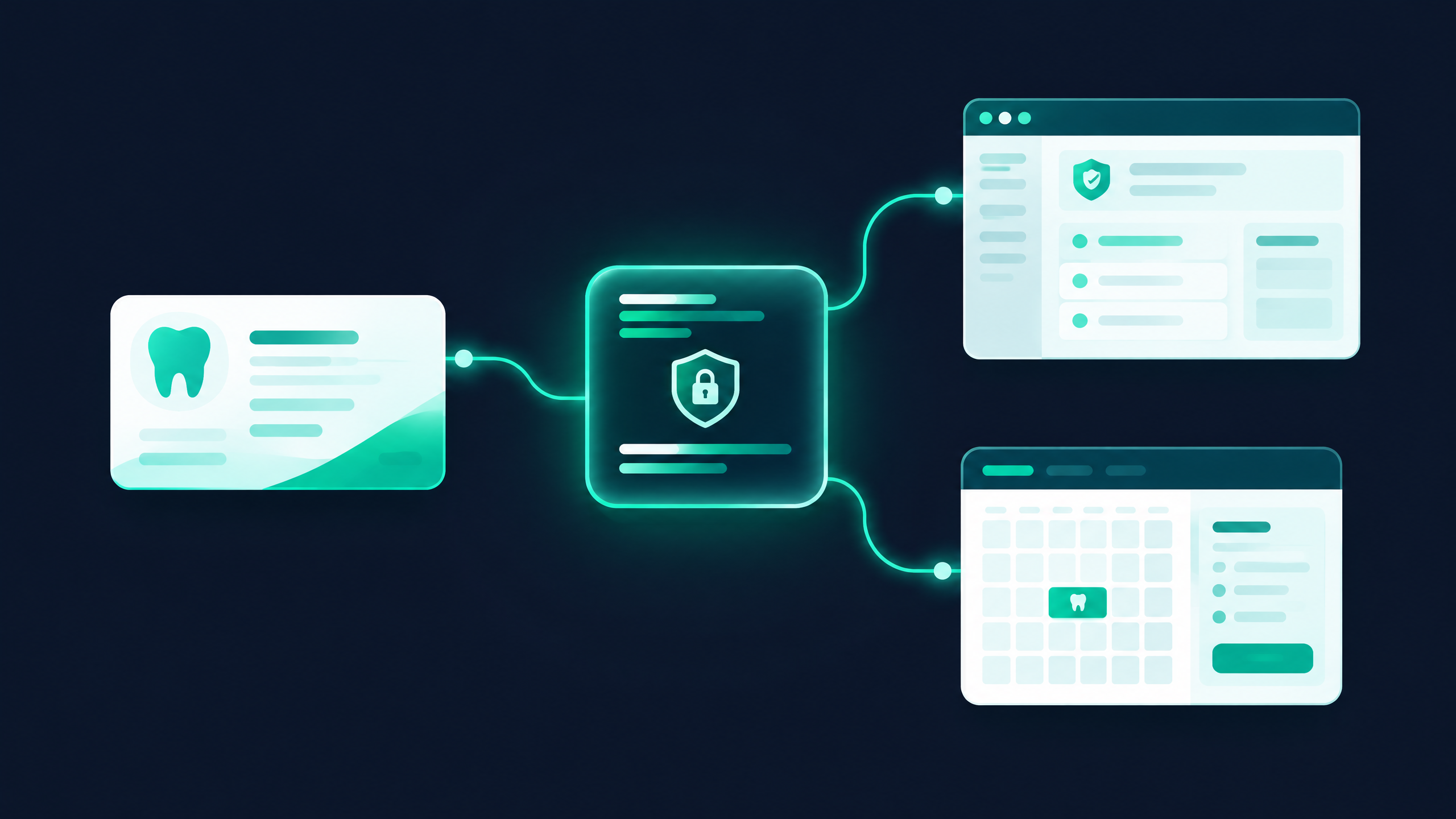
For a practice, that means keeping verification closer to the appointment and the patient record. For a DSO, it means a path toward a consistent verification workflow across locations. For a dental software company, it means adding verification without building each payer connection from scratch.
The new DA Verify developer section brings the integration material into one place. Developers can find an API overview, quickstart, authentication guidance, reference pages, error handling, and webhooks without guessing how the pieces fit together.
AI does the volume. People handle the exceptions.
Routine checks should not consume the front desk's morning. AI handles repeatable work. Human support handles exceptions that need judgment, such as incomplete information or a payer response that needs review.
That distinction matters. Automation should reduce work for the practice, not move it into a new queue of confusing results. The point is to give the team useful benefits information and a clear next step when something needs attention.
A blog that asks what the work should cost
We are opening this editorial series with six practical articles: insurance verification costs, payment posting costs, RCM fees, practice valuation, starting a DSO, and selling a dental practice.
The cost articles ask what you are paying for, what the fee is based on, and which work automation can remove. The practice guides look at the business behind the clinical work: preparing an office for valuation, building a group, and getting ready to sell.
These are working questions for owners and operators. We will keep the writing direct and the numbers visible—without vague promises about transformation.
Start with your workflow
If you run a practice, tell us where verification slows your team down. If you build dental software, explore the DA Verify API section and discuss your integration requirements with us.
Read the new blog, or contact Dentistry Automation to talk through your workflow.