Eight dollars does not sound like much. Multiply it by 500 verifications a month. That is $4,000 a month, or $48,000 a year.
That is an illustration, not an industry average. But if it resembles your bill, the question is fair: what exactly are you buying for $8?
This is not an argument that verification is unnecessary. It is an argument that a practice should not keep paying a manual-work price without asking how much of the work can now be automated.
Eligibility is not a full benefit breakdown
A check that says active is not the same as knowing the deductible, remaining annual maximum, frequencies, exclusions, waiting periods, and relevant procedure benefits. If one vendor delivers basic eligibility and another delivers a detailed breakdown, comparing their headline price tells you very little.
Define the deliverable. Does the information go into your practice-management system? Is it ready before the appointment? Can your team see when it was checked and where it came from? Who handles missing information?
Do not confuse verification with a payment guarantee. Payer portals and call centers may not have current eligibility information, and coverage can change retroactively. Your process needs dated evidence and a way to handle changes—not blind confidence in a green check mark.
Calculate the cost of a usable verification
Add the vendor fee to the time your team spends requesting checks, copying results, filling gaps, and correcting mistakes. Include minimums, setup charges, rush fees, and repeat-check rules.
If a hypothetical $4,000 monthly service still requires 20 hours of staff time at a fully loaded $30 an hour, the combined cost is $4,600. Across 500 usable checks, that is $9.20 each. The hours and wage are assumptions; use your own numbers.
A cheap verification that creates more follow-up work may be expensive. A higher price may be justified by genuinely different benefit depth and exception handling.
Automate routine work. Give people the exceptions.
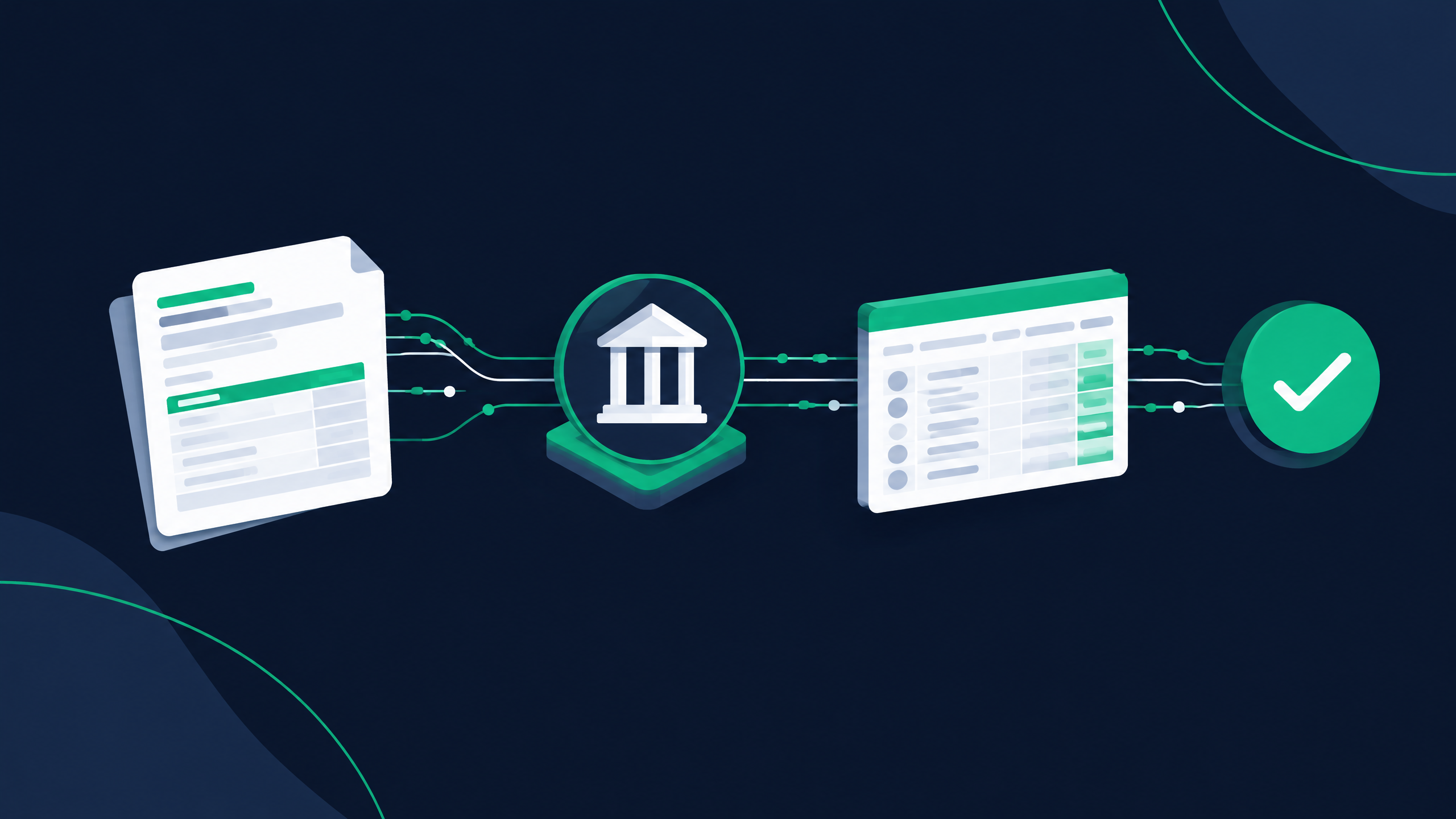
Repeatable data retrieval and writing structured information into the PMS are places to test automation. Conflicting benefits and missing data need a defined escalation path.
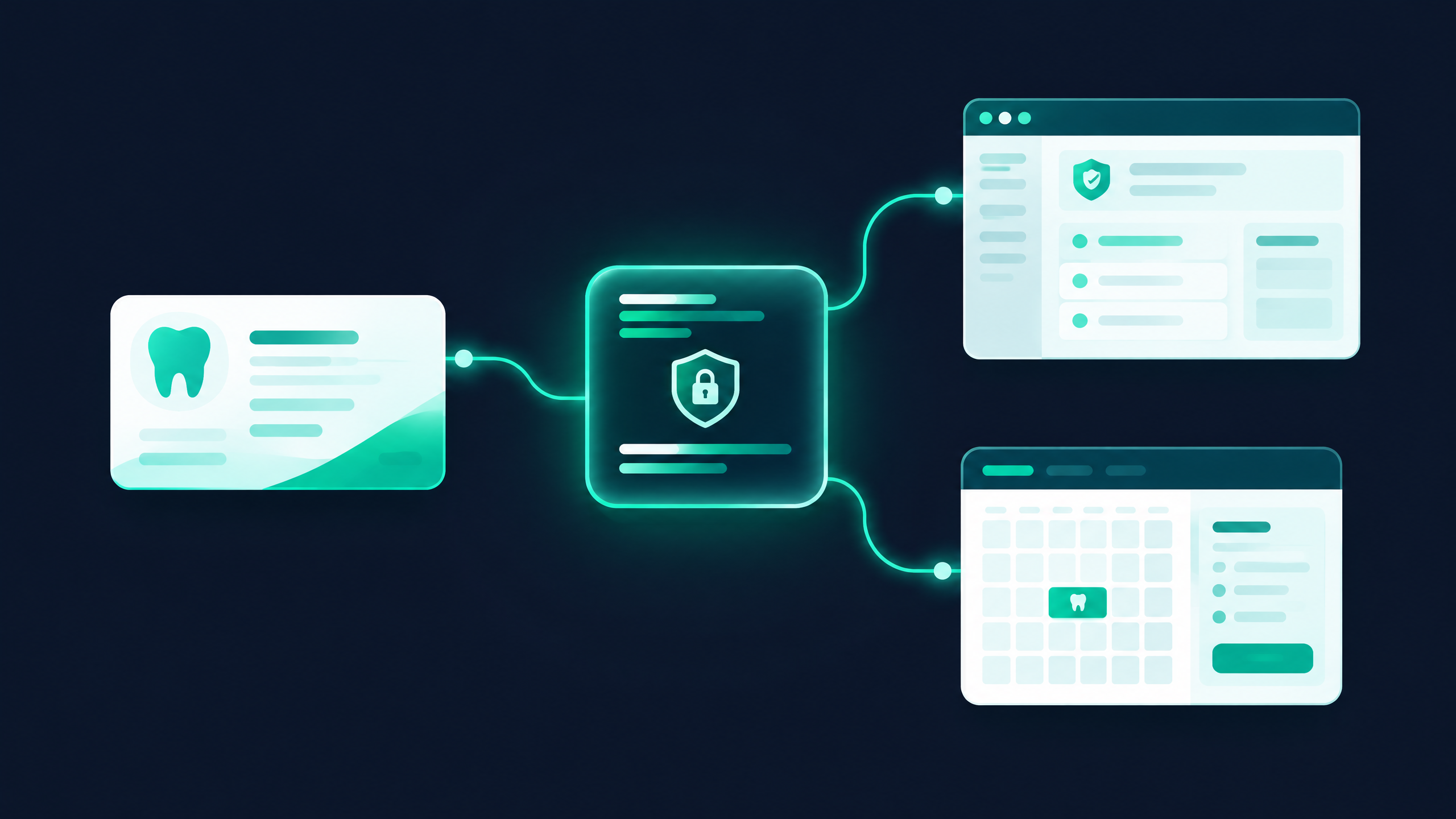
That is the model Dentistry Automation asks to be judged on: AI-driven verification connected to the practice workflow, with human support where the routine process cannot finish the job.
Test your actual payers and PMS. Measure completion before appointments, missing fields, correction time, and cost per usable verification. Include a date-of-service recheck process where appropriate.
What should verification cost?
There is no honest universal number without volume, benefit depth, and payer complexity. Public vendor pricing varies by tier and service level too.
But challenge the bill. If much of the process is repeatable, the economics should reflect that. Review the connected workflows as well: payment posting costs and overall RCM pricing can change the combined economics.
For a software integration conversation, explore dental insurance verification through our API.
See the workflow
Dentistry Automation runs verification, payment posting, and claims workflows with AI, backed by people for the exceptions. See how it works.
Sources: ADA eligibility guidance; eAssist verification pricing as a vendor example, not a market average; Dentistry Automation insurance verification materials.